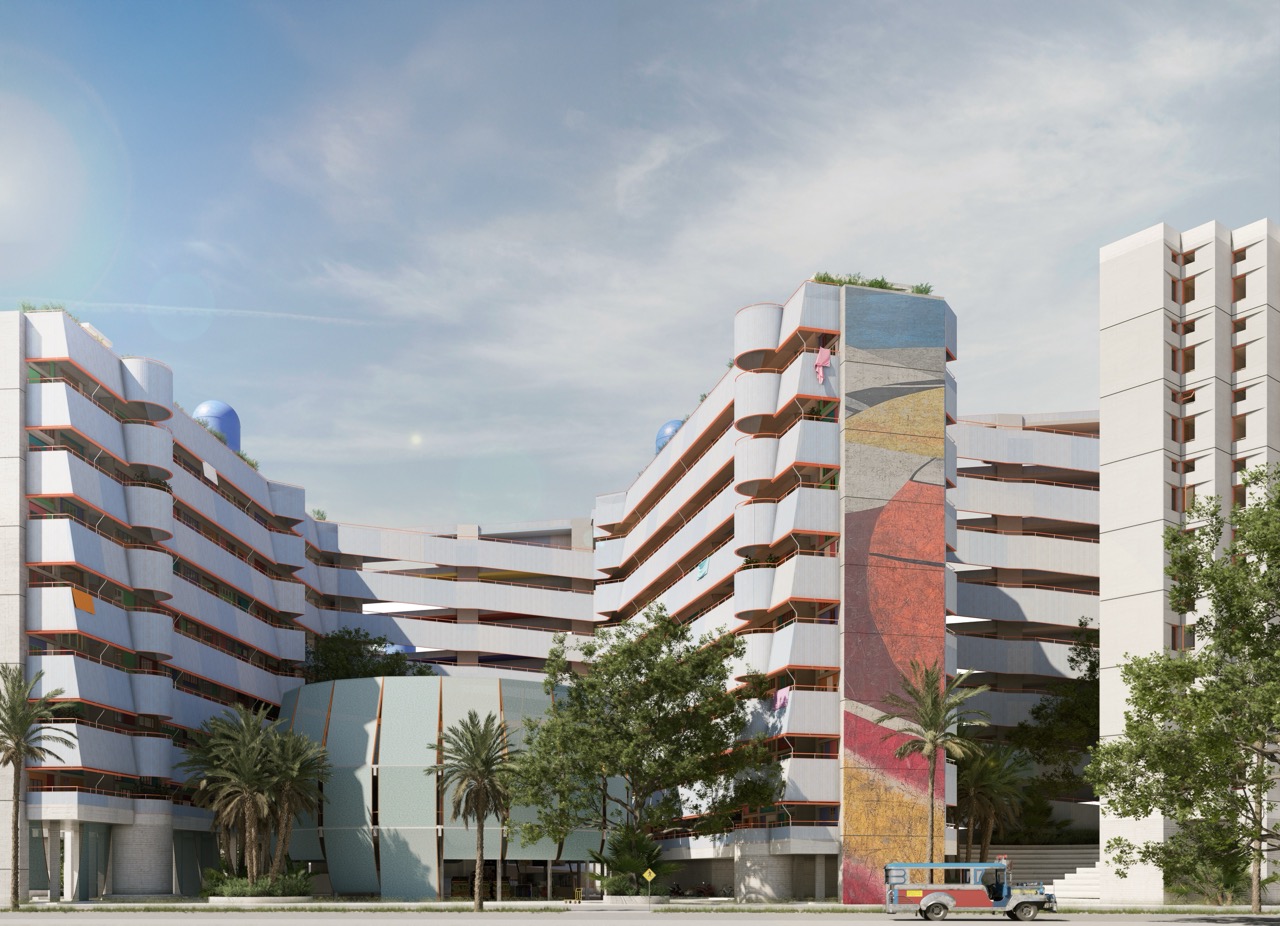
PRODUCT OF ITS OWN CIRCUMSTANCE: HOMEGROWN HOUSING​

LOCATION
Taguig, Philippines

DATE
2025

STATUS
Speculative

CRITIC
Eric Howeler, Diana Martinez

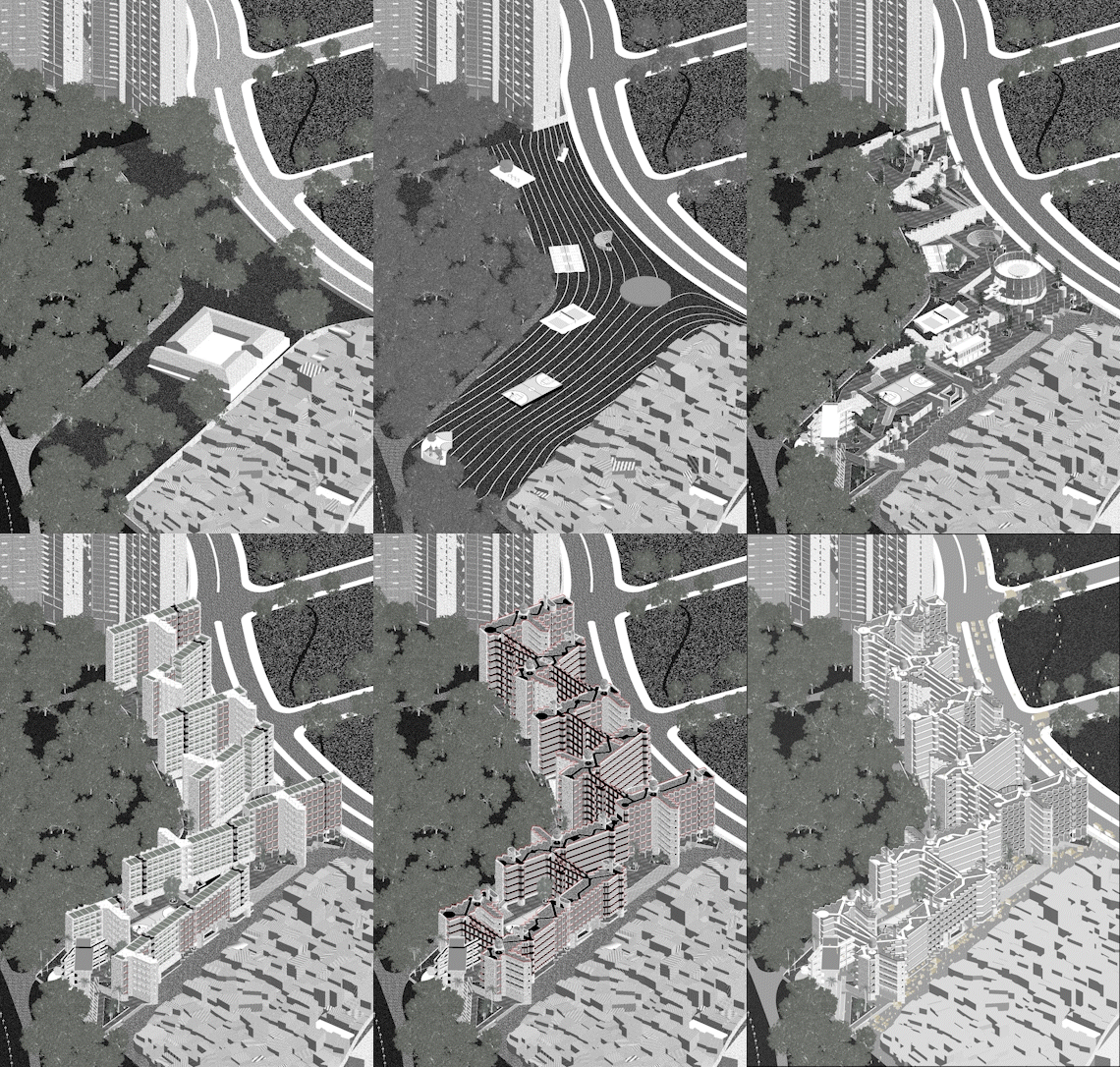
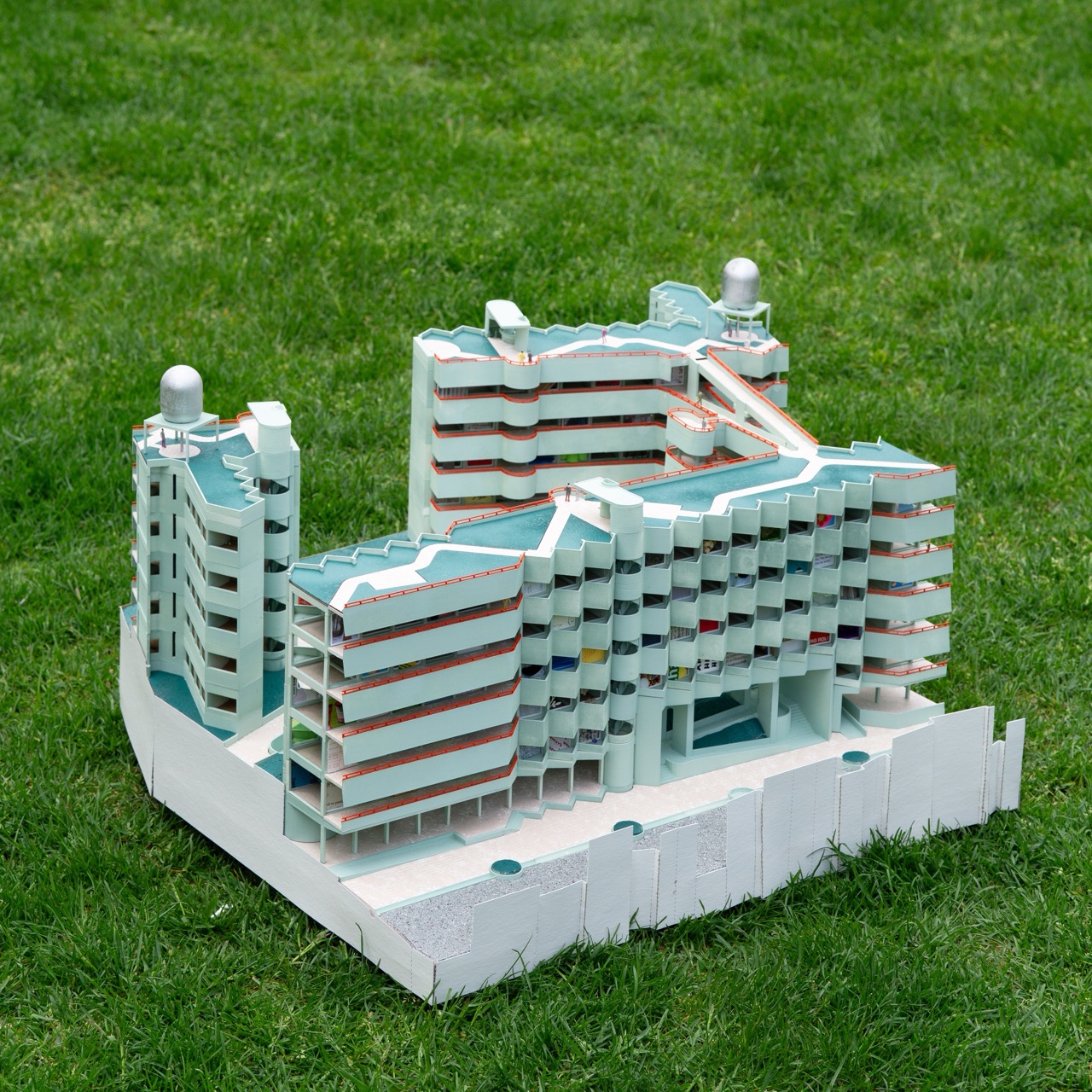
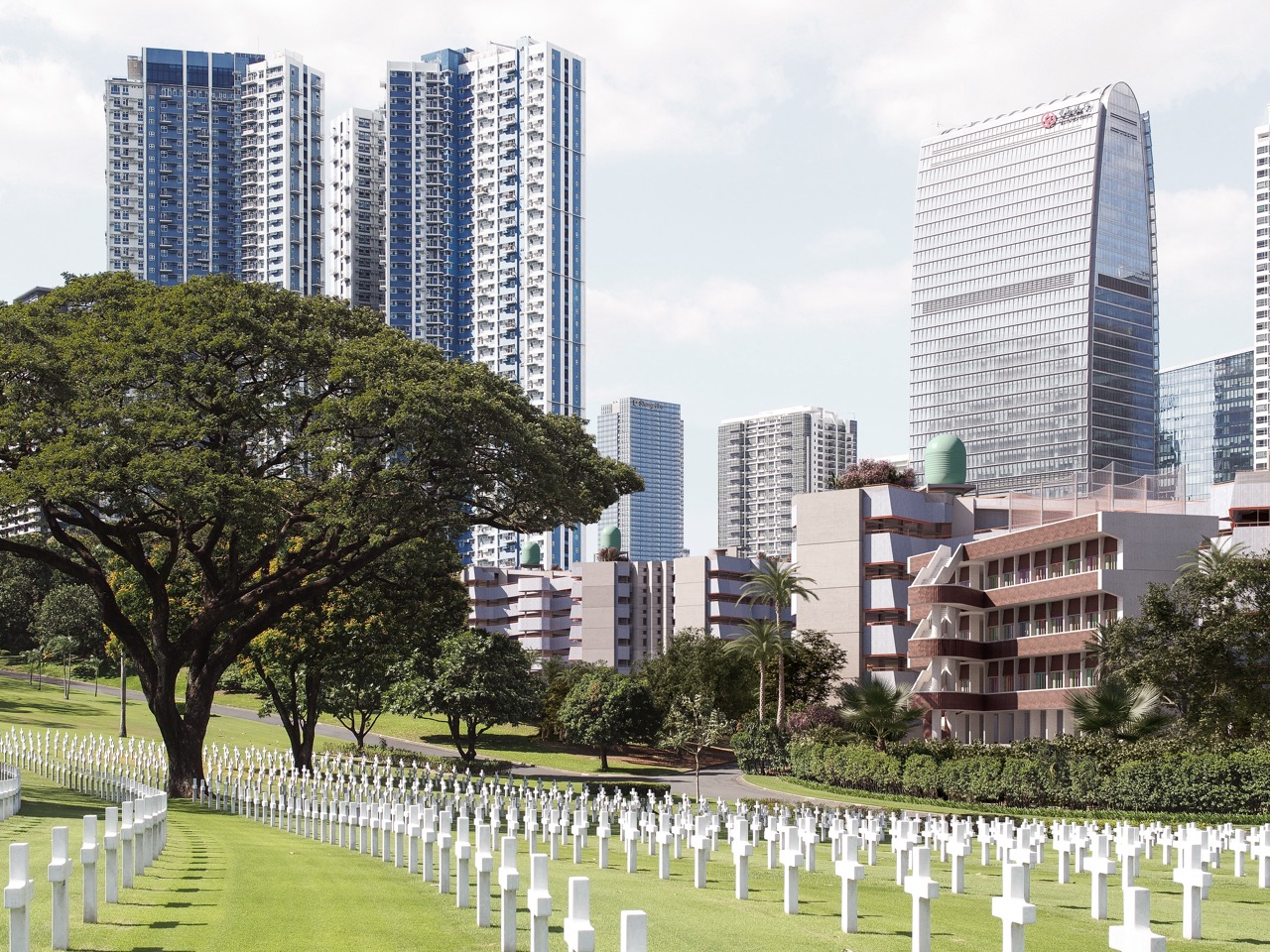
This thesis investigates the layered urban complexity of Metro Manila, a congested conurbation of sixteen cities shaped by centuries of colonial rule, mass rural-to-urban migration, and rapid, privatized development.

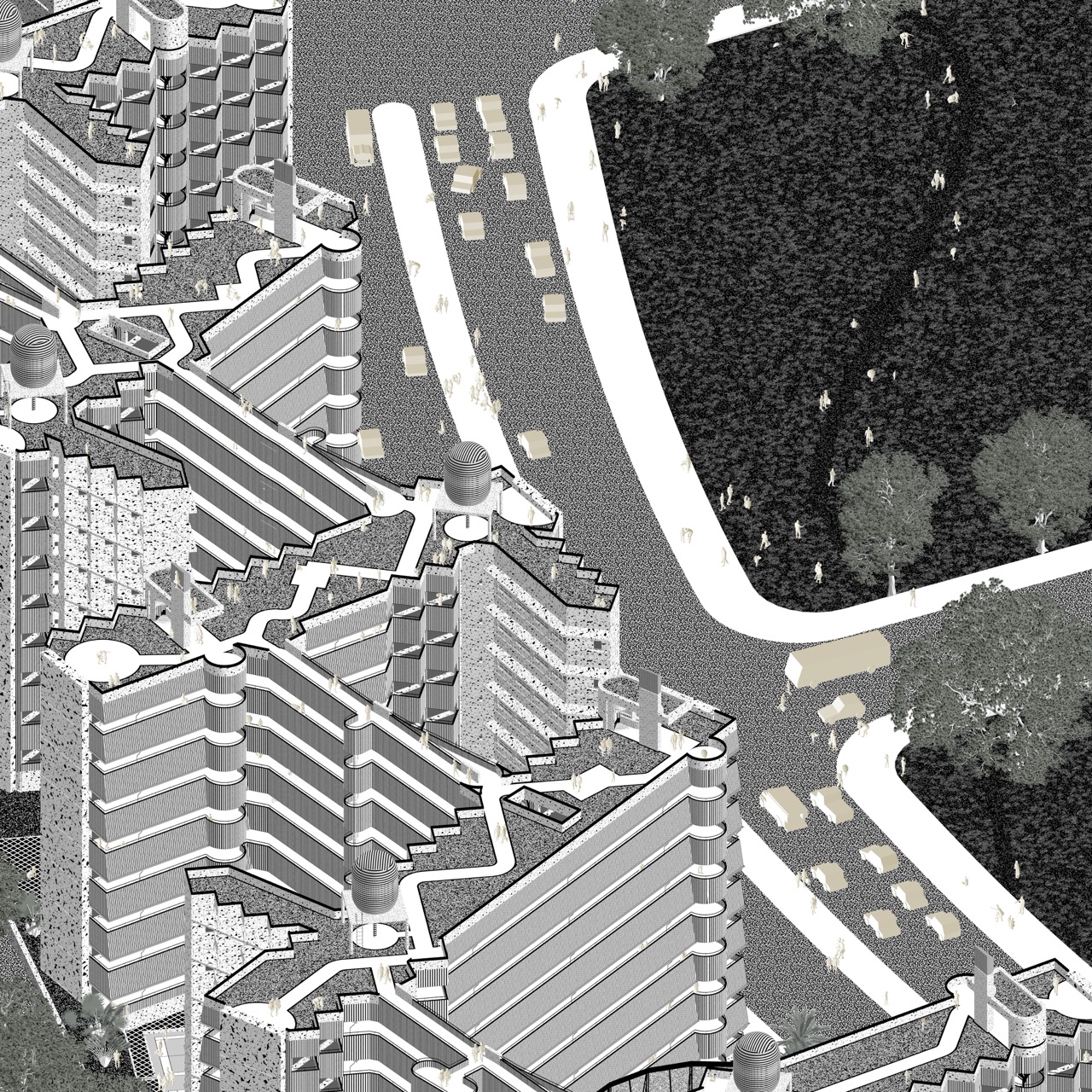
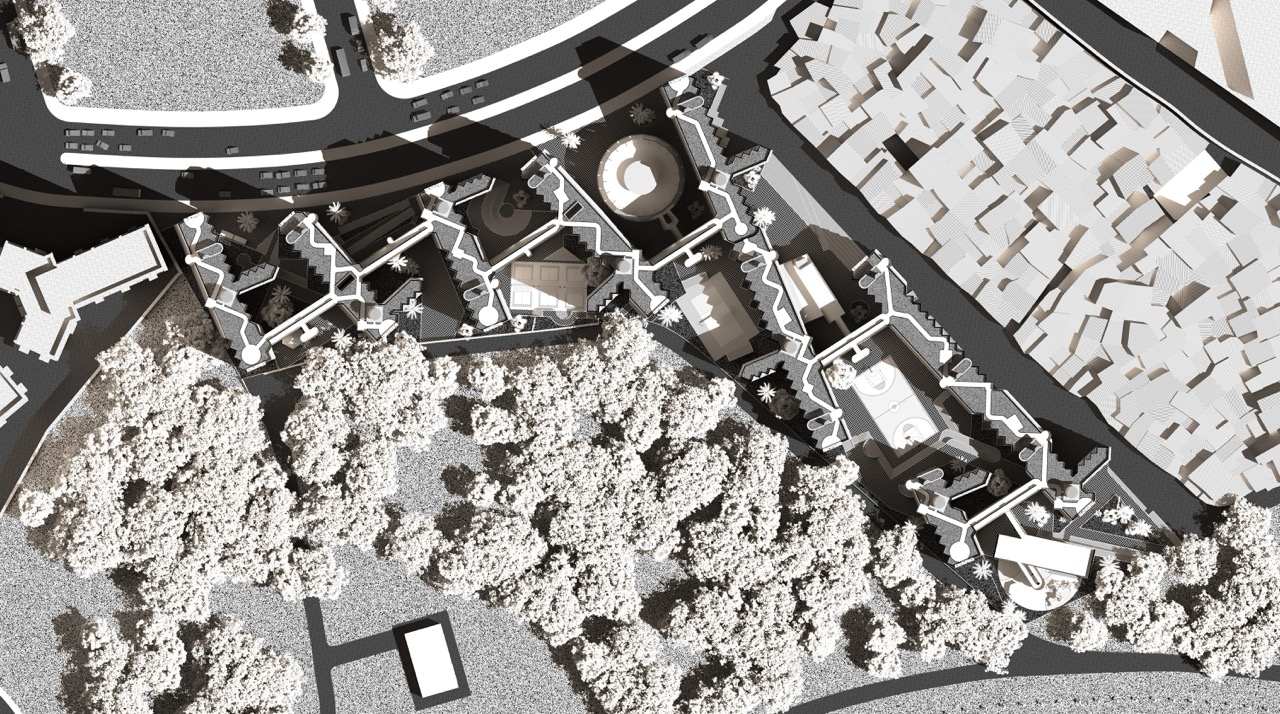
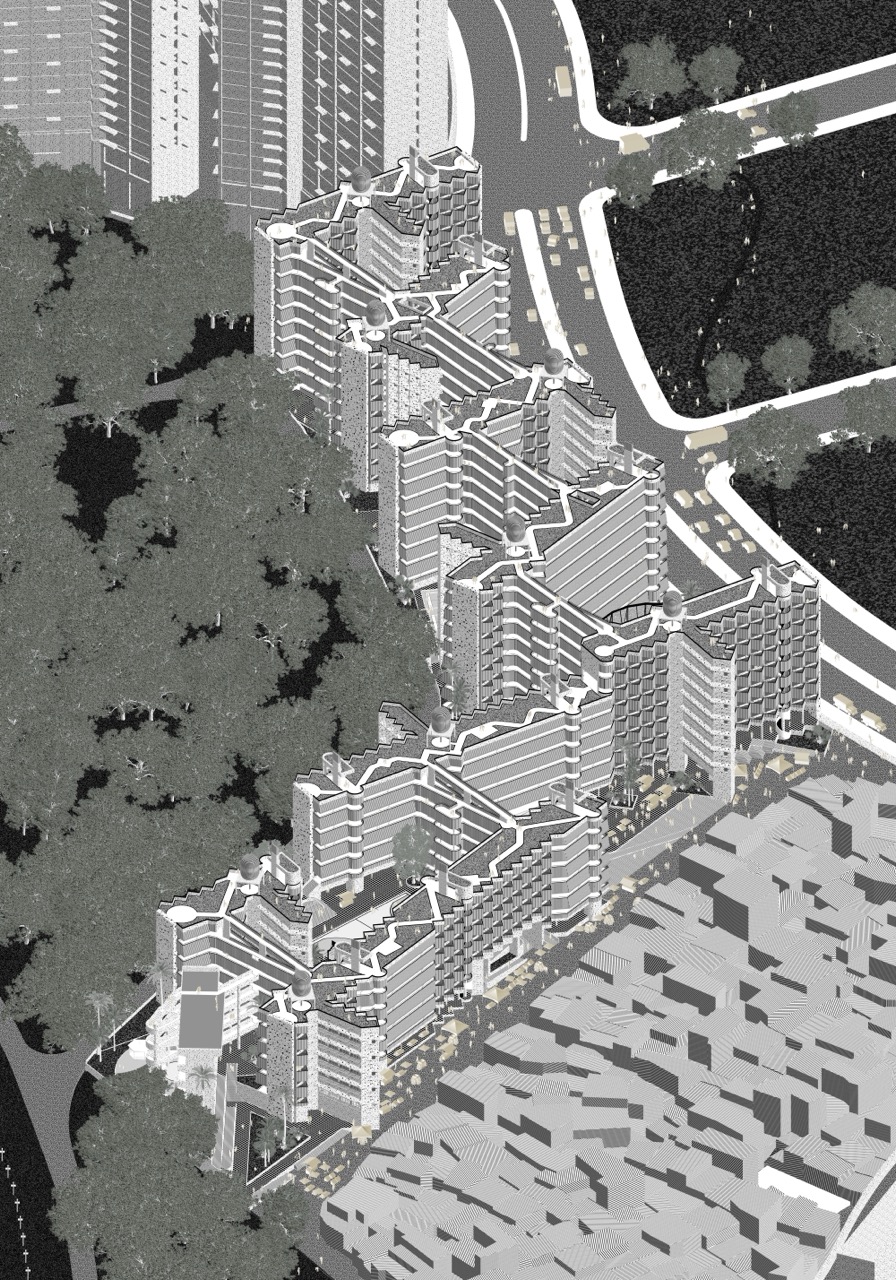
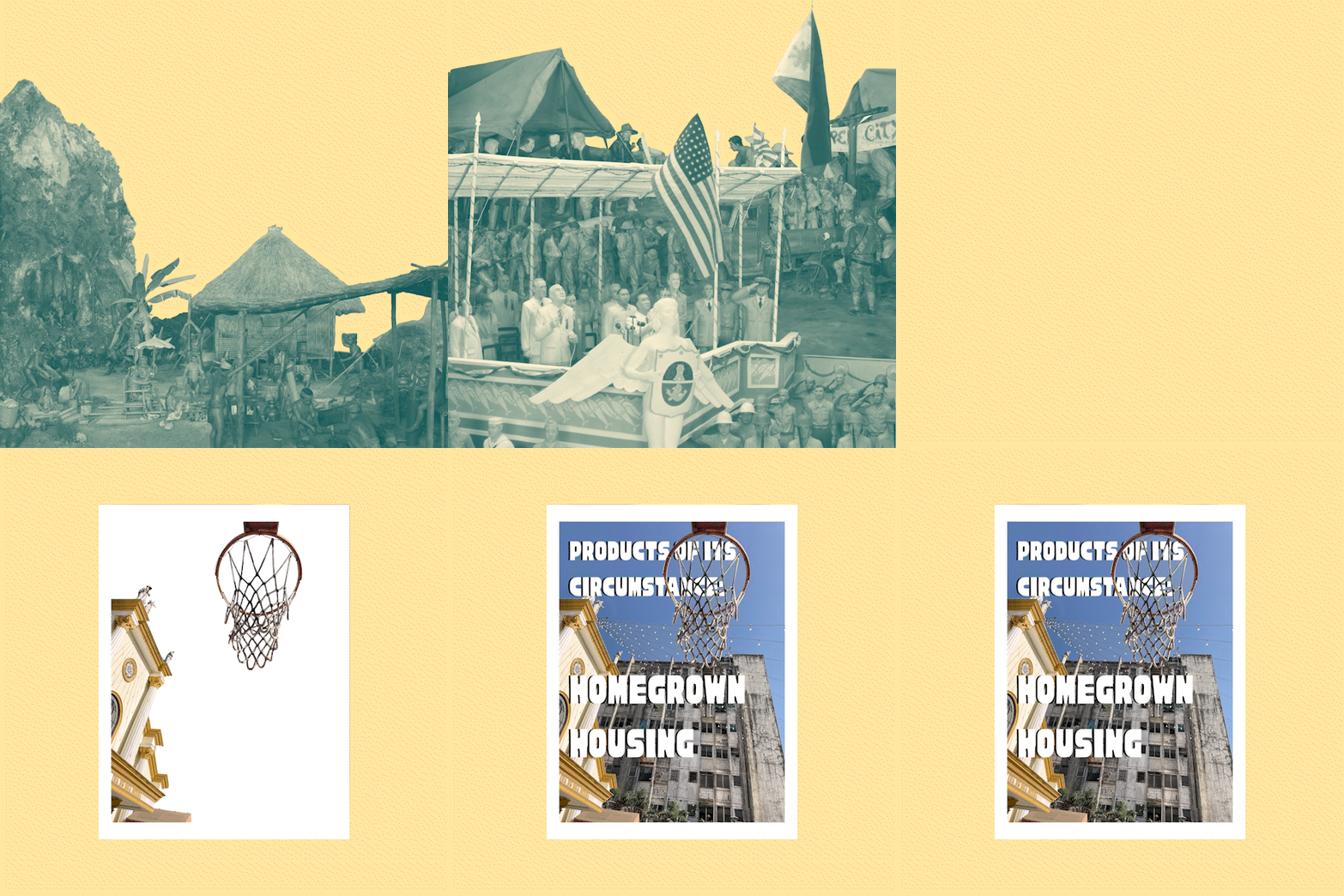
This thesis investigates the layered urban complexity of Metro Manila, a congested conurbation of sixteen cities shaped by centuries of colonial rule, mass rural-to-urban migration, and rapid, privatized development. The resulting megalopolis has been formed through 350 years of Spanish colonization, 50 years of American occupation, and successive waves of speculative urban growth largely unchecked by public oversight. Together, these forces have culminated in a housing crisis that has persisted for more than a century.
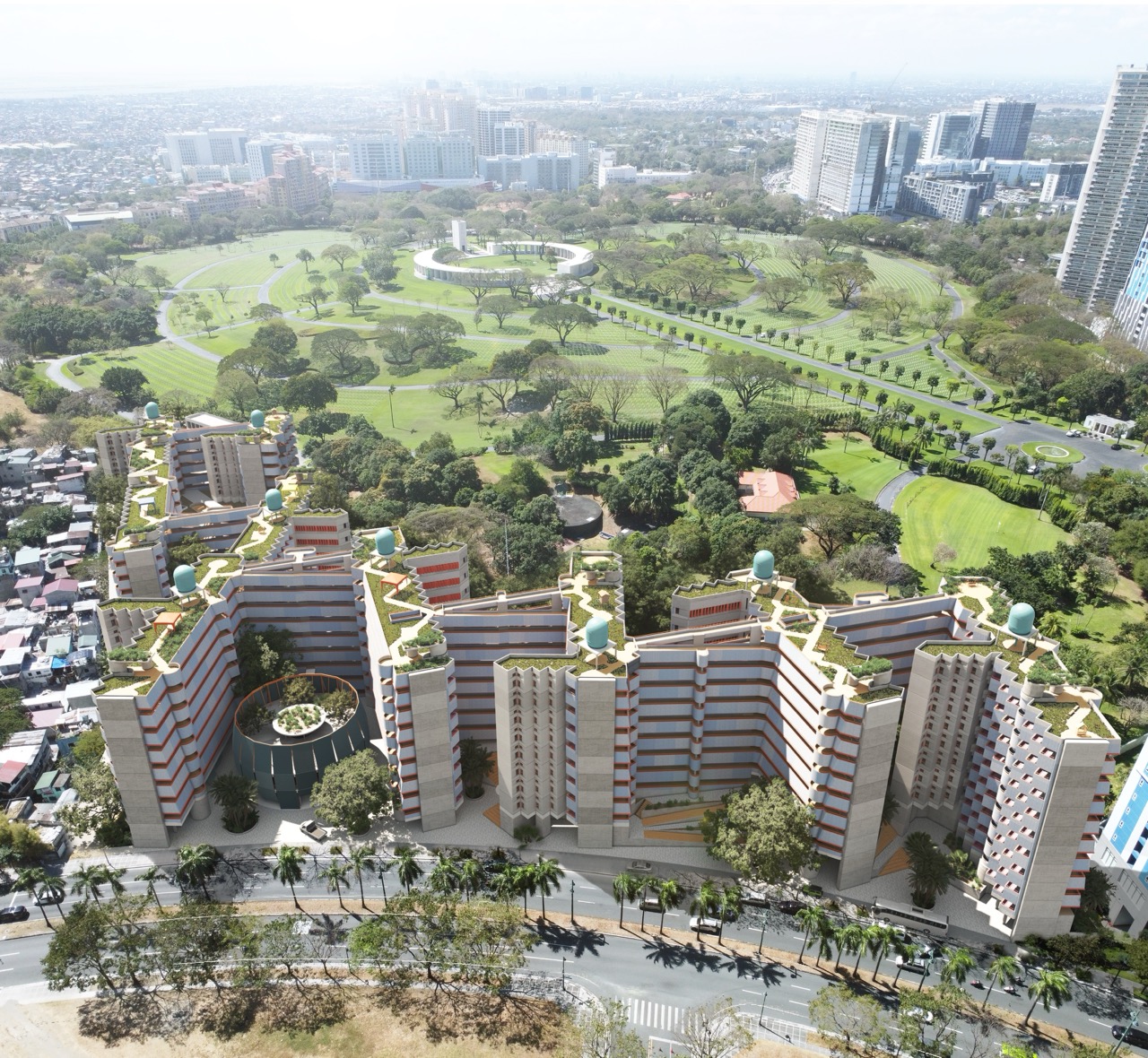
In response to the fragmentation brought about by profit-driven housing models that often prioritize spectacle over
substance, this project asserts every citizen’s right to safe and adequate shelter. It critically examines the prevailing
systems that sever people from their cities and explores alternative forms of architecture rooted in local culture and collective experience.

The work began as an exploration of found objects and personal curiosities—materials that reflect the intimate
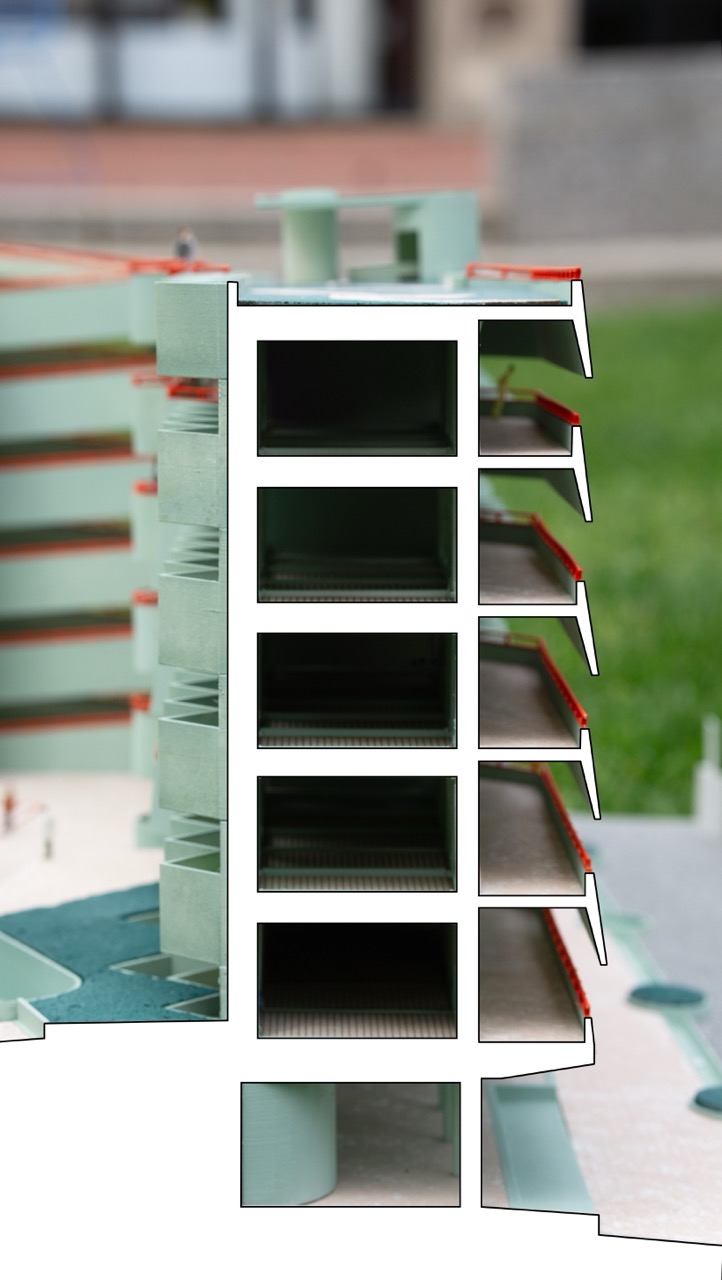
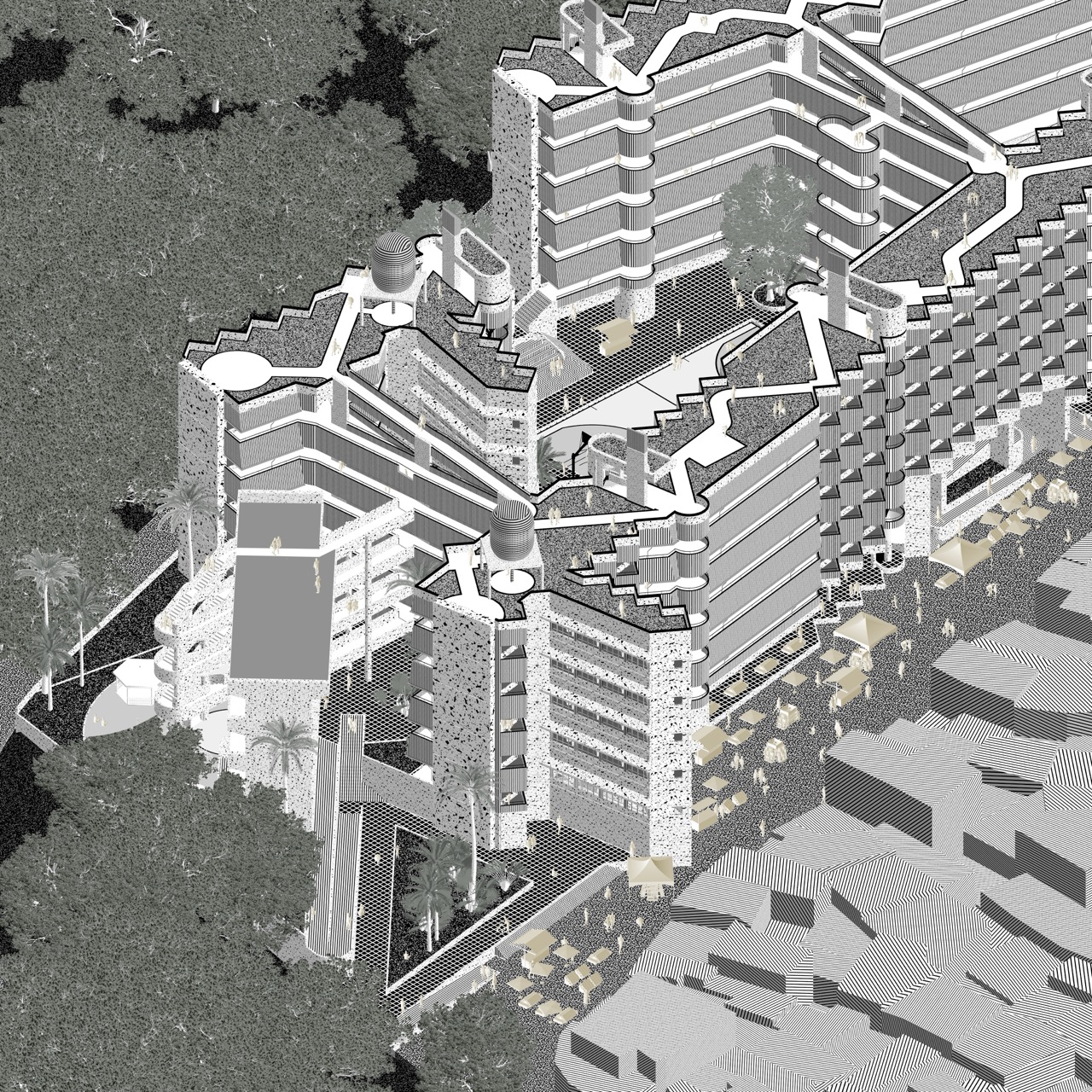
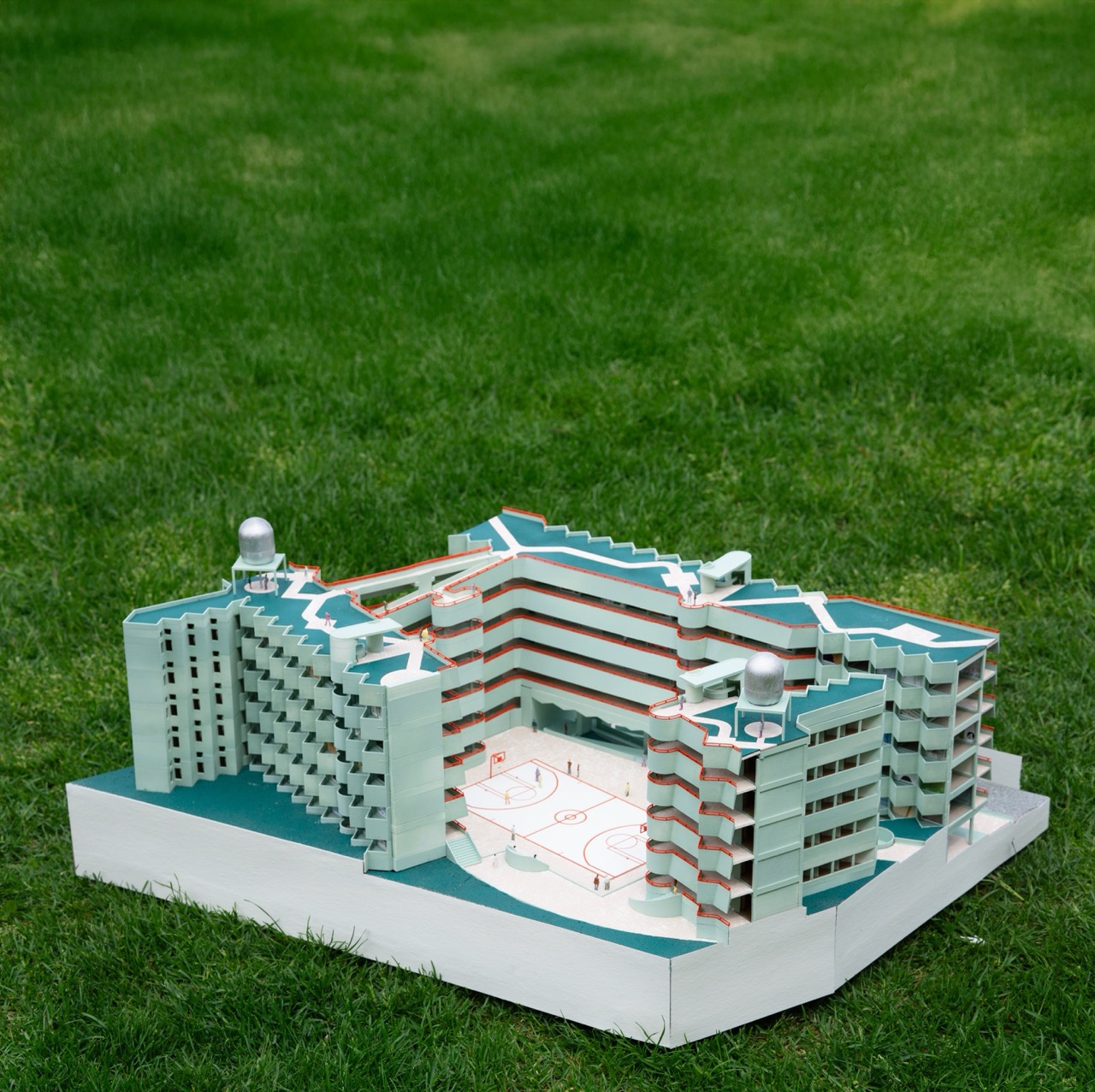
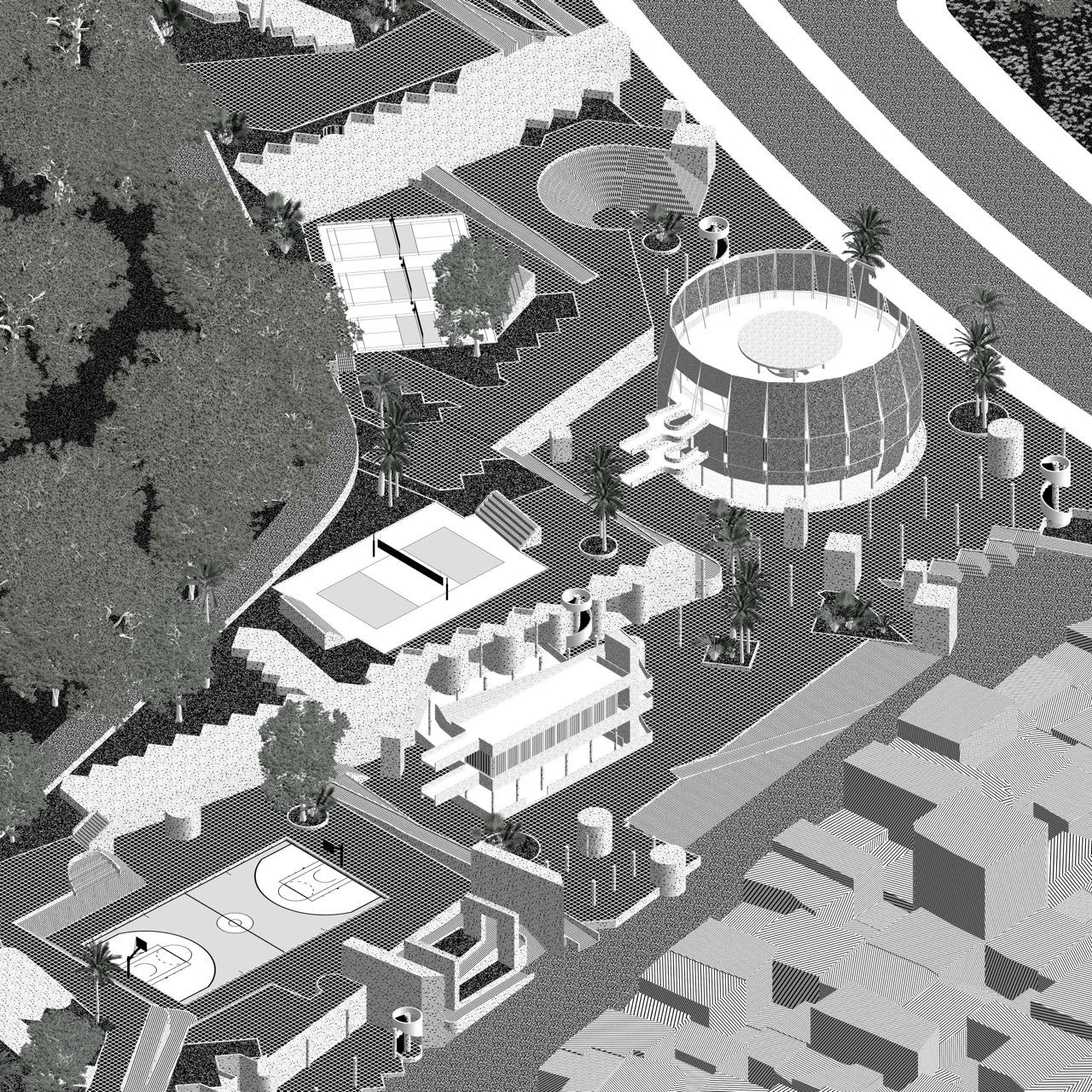
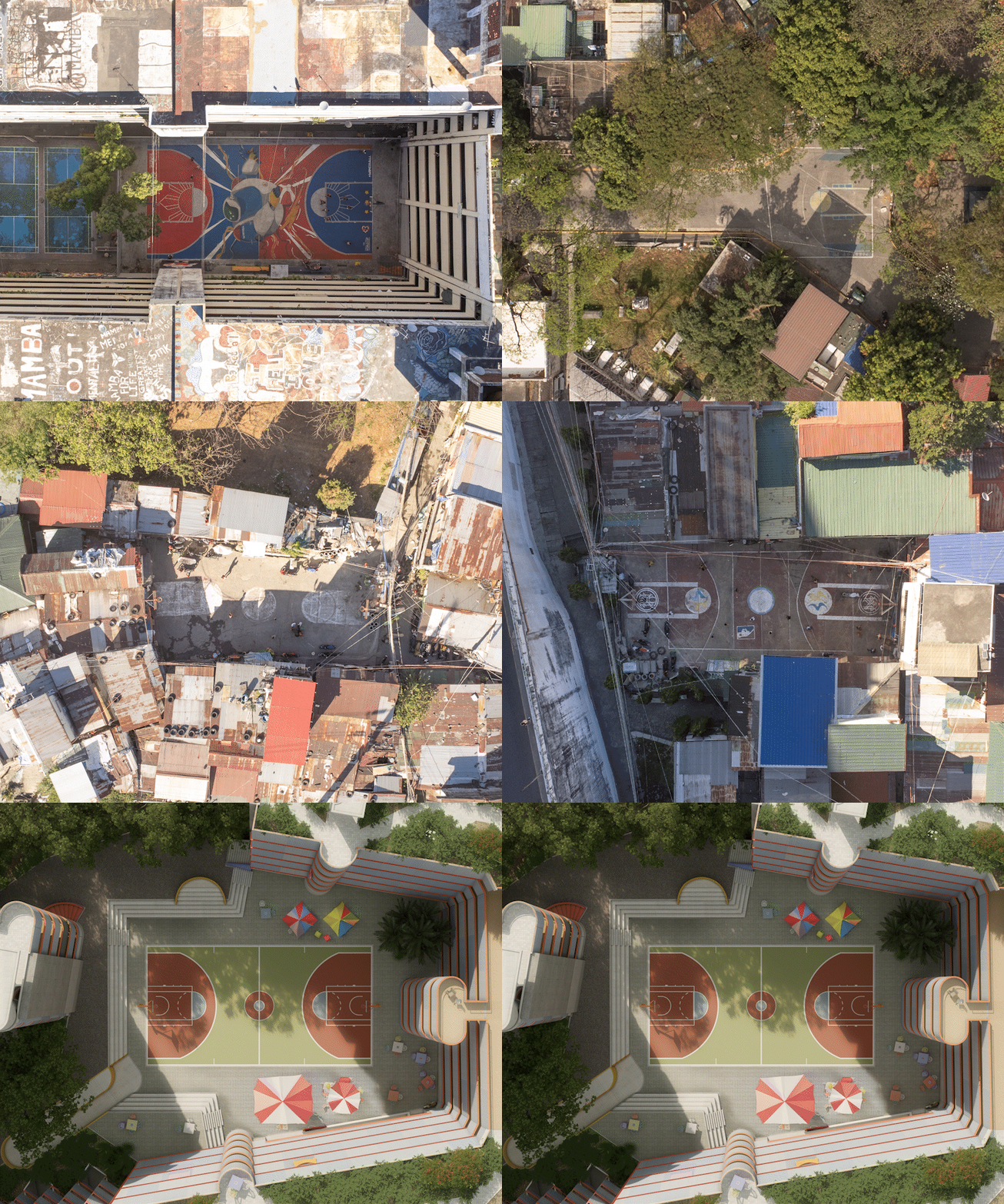
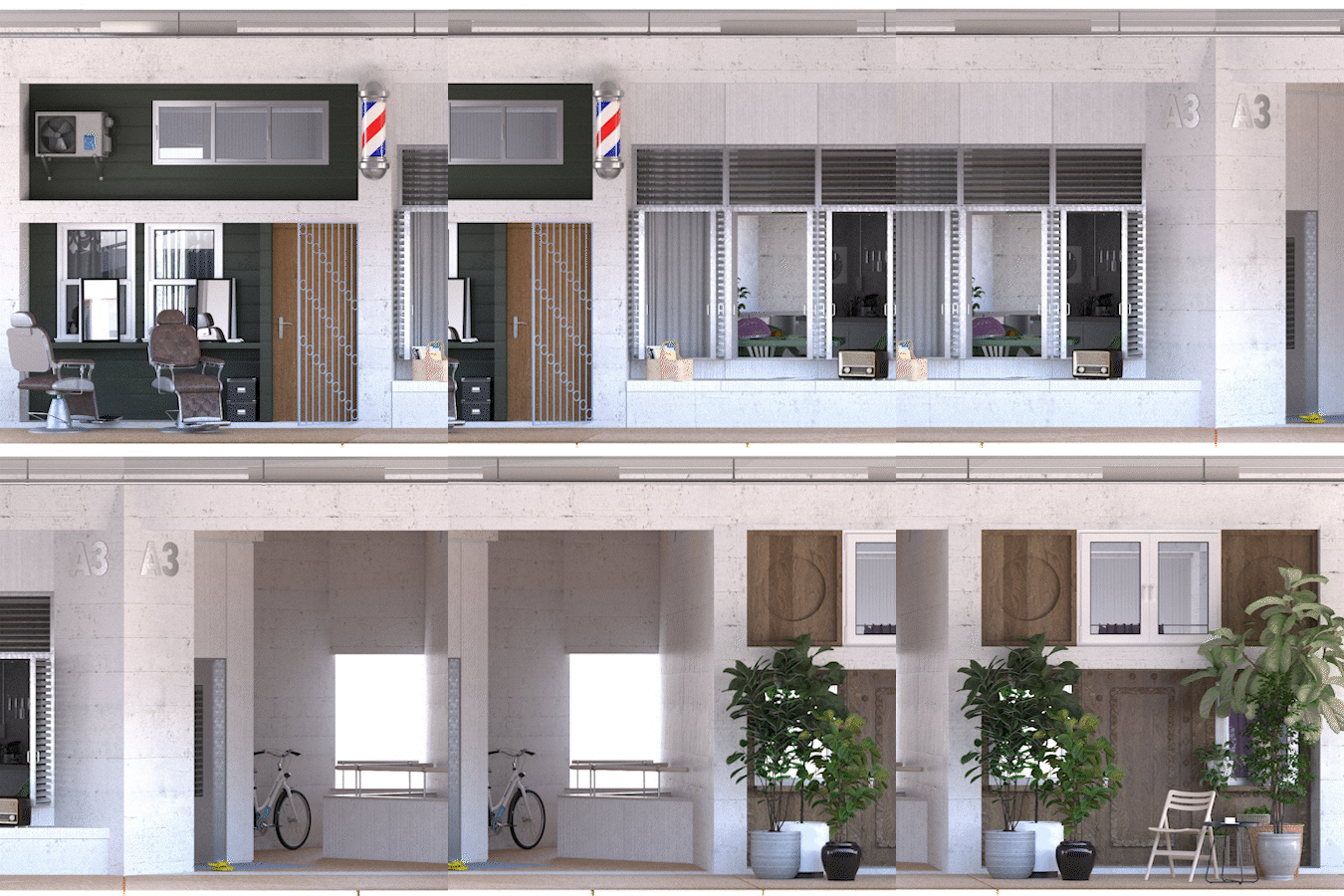
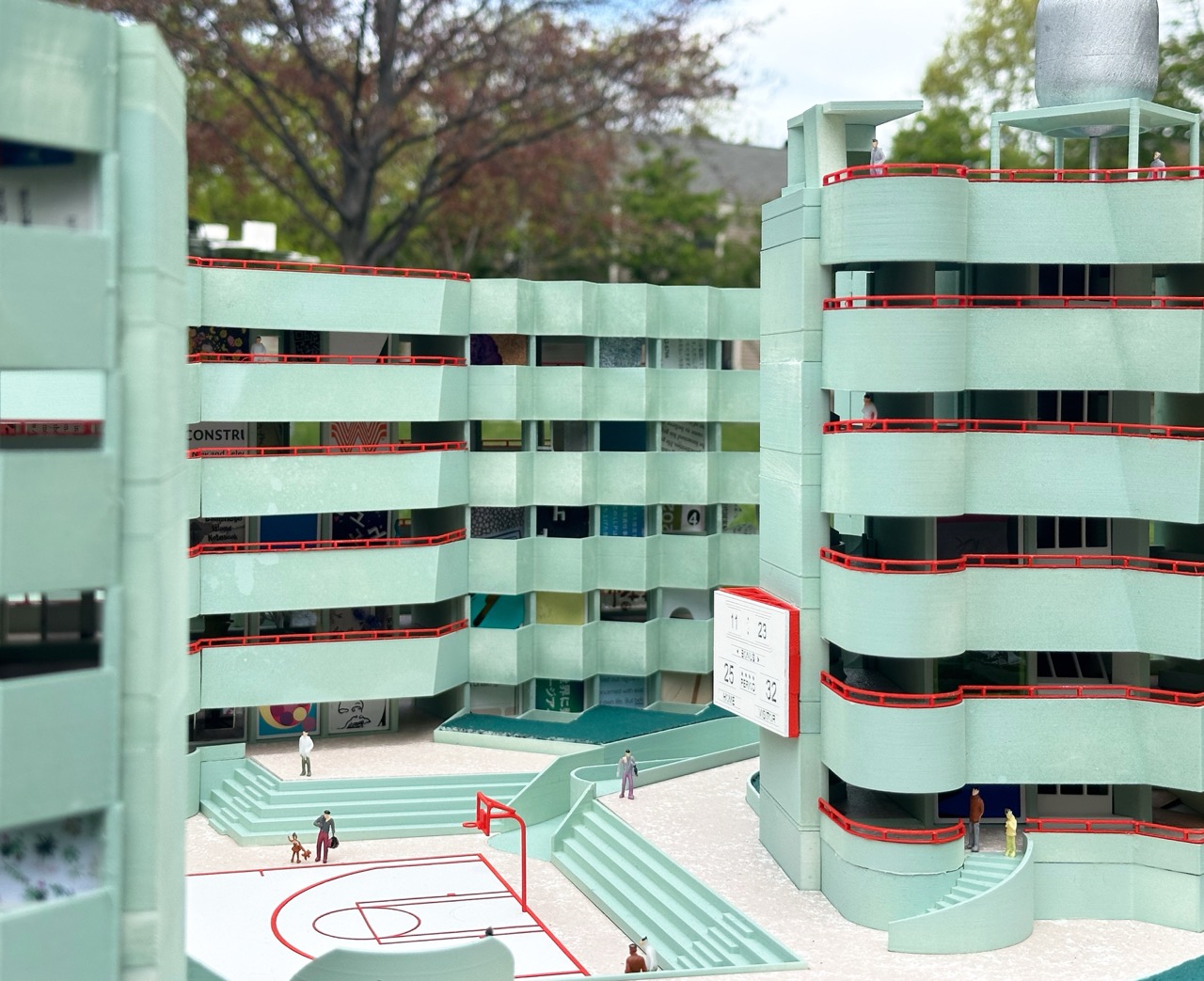
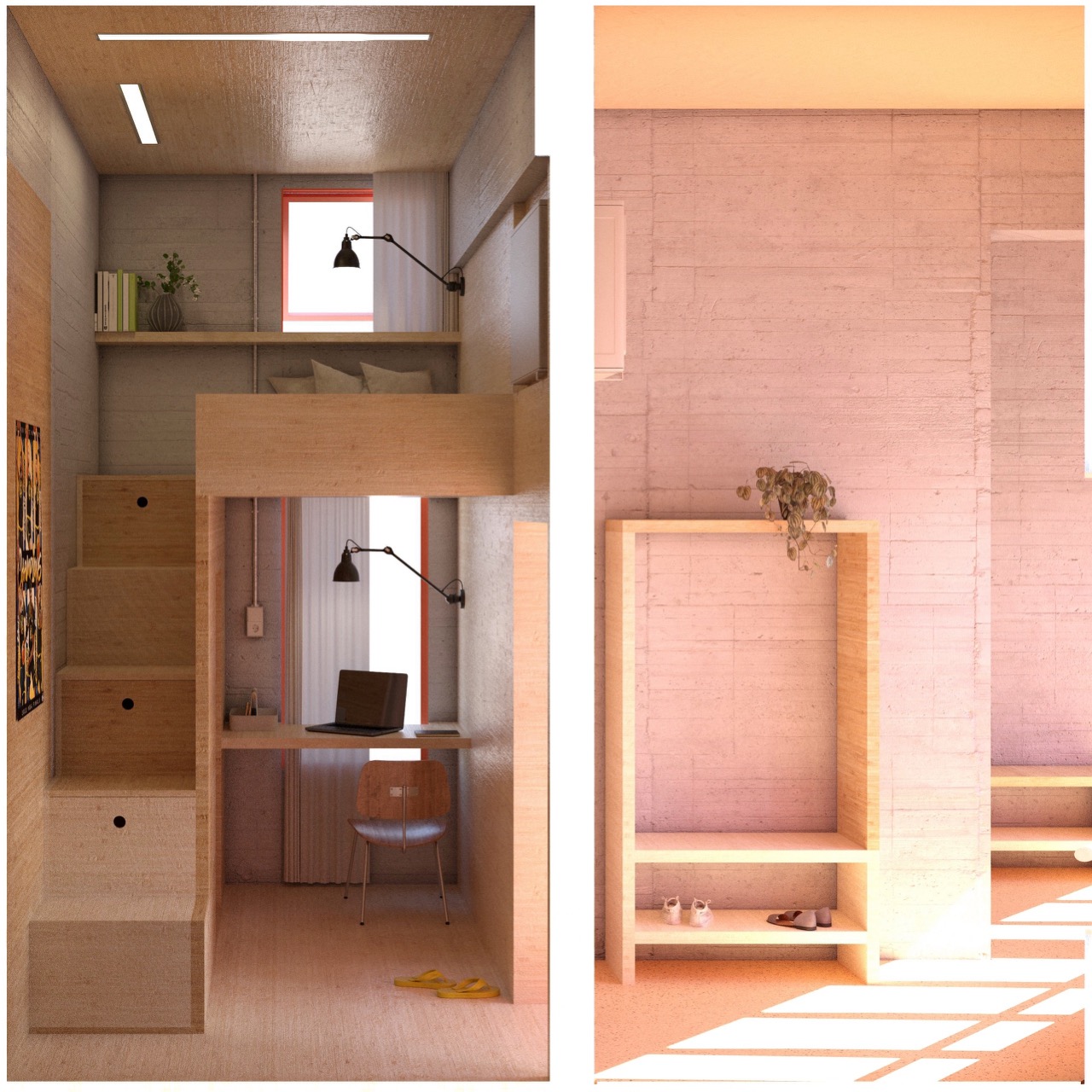
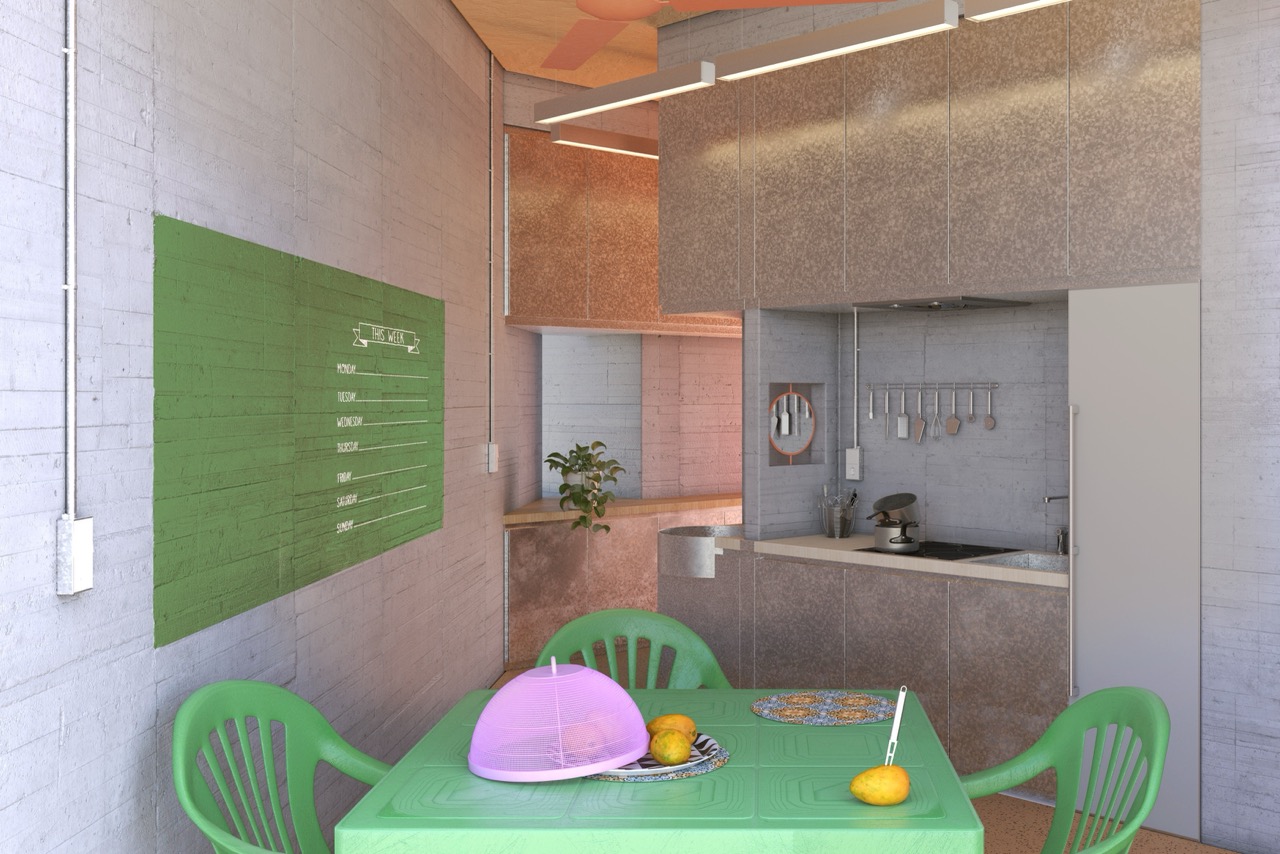
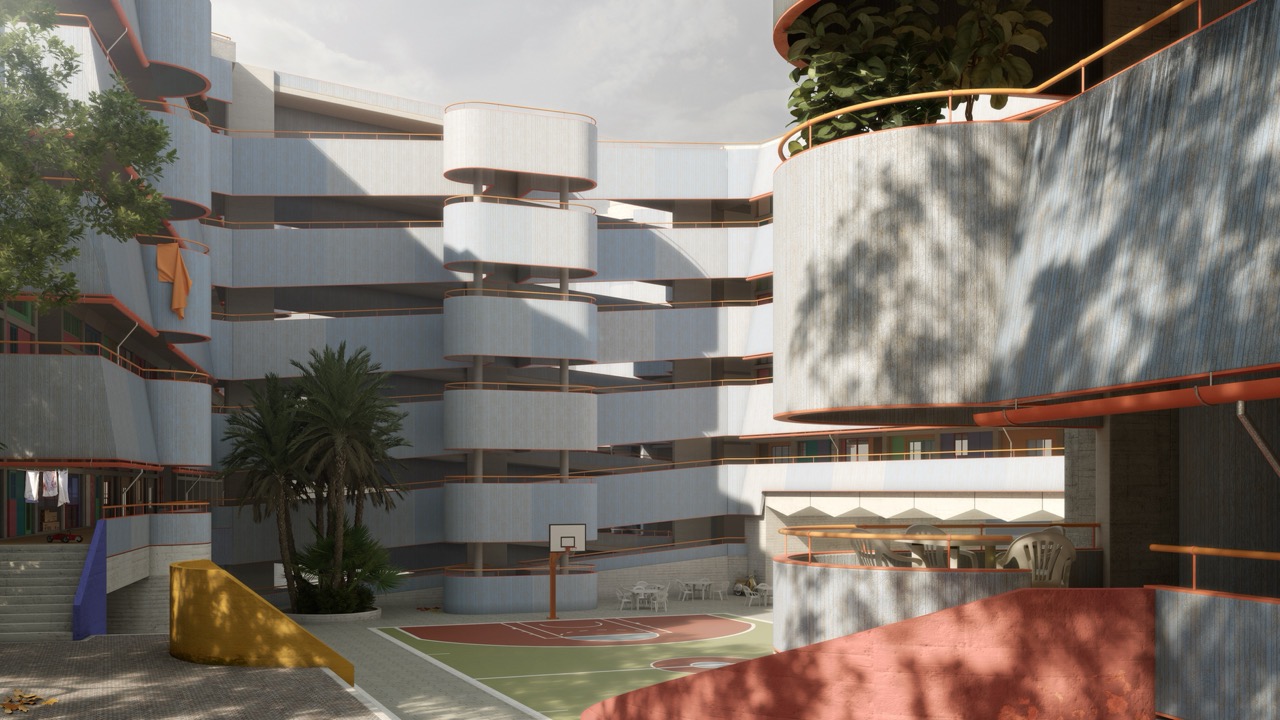
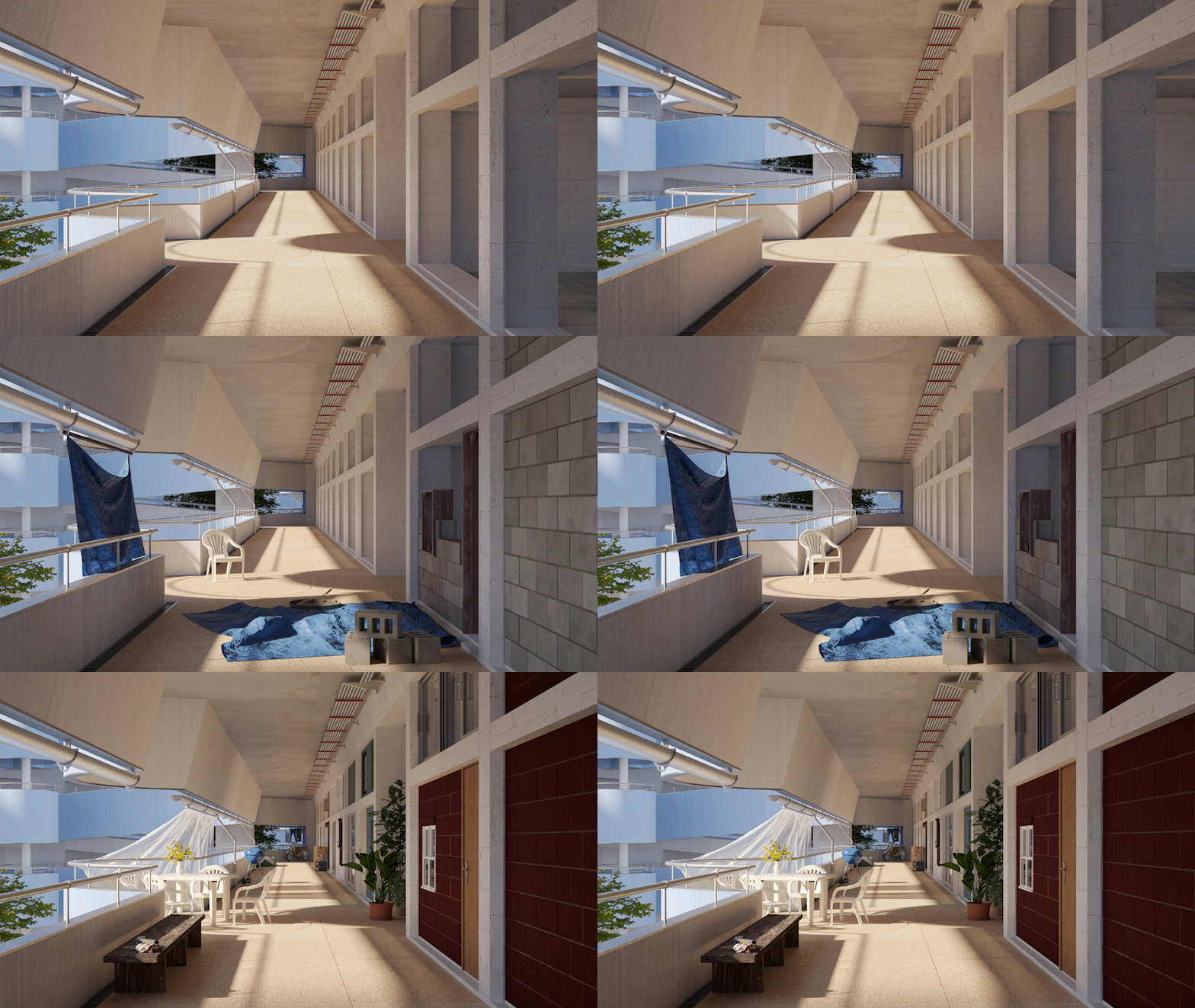
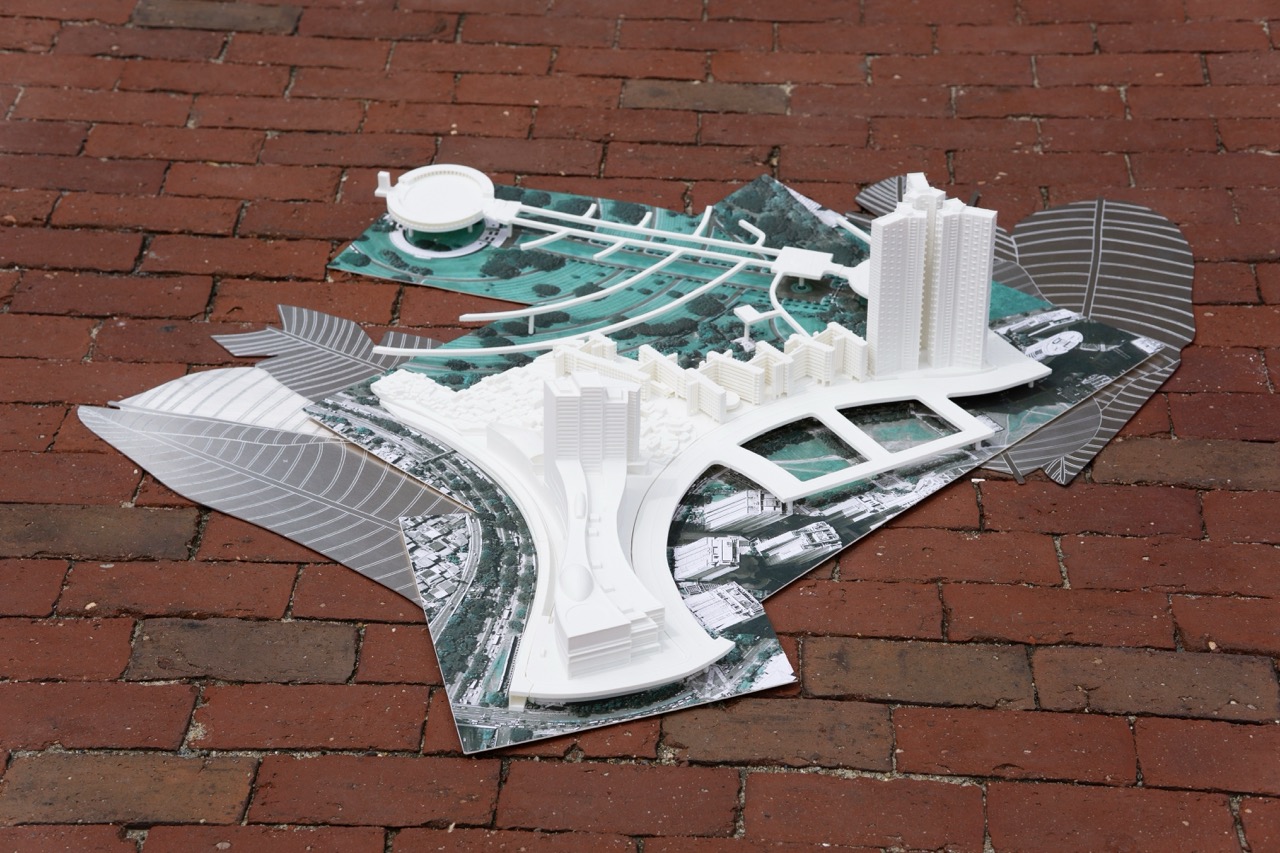
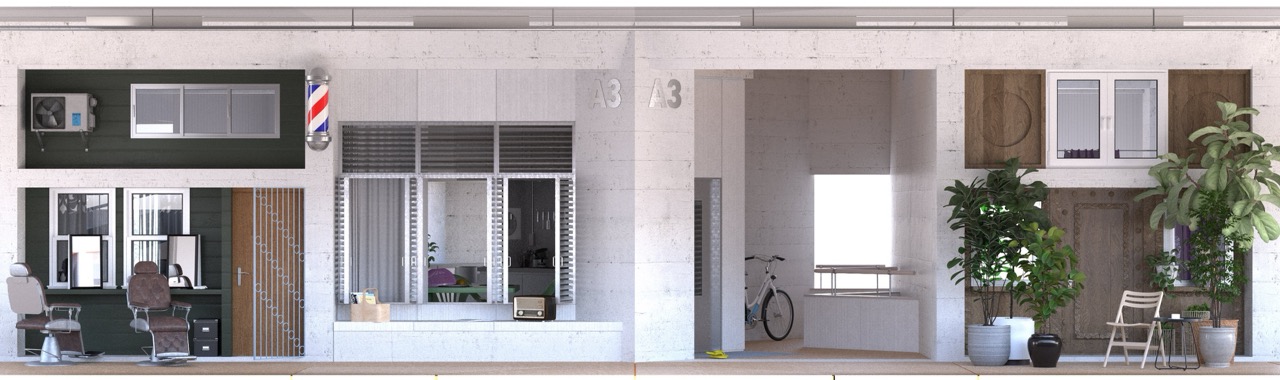
relationship between Philippine culture and its built environment. These fragments gave rise to an architectural language that is both protective and generative: a spatial infrastructure imagined as armor and trellis. It draws on established patterns of collective living while addressing deep-seated desires for personal security and stability.

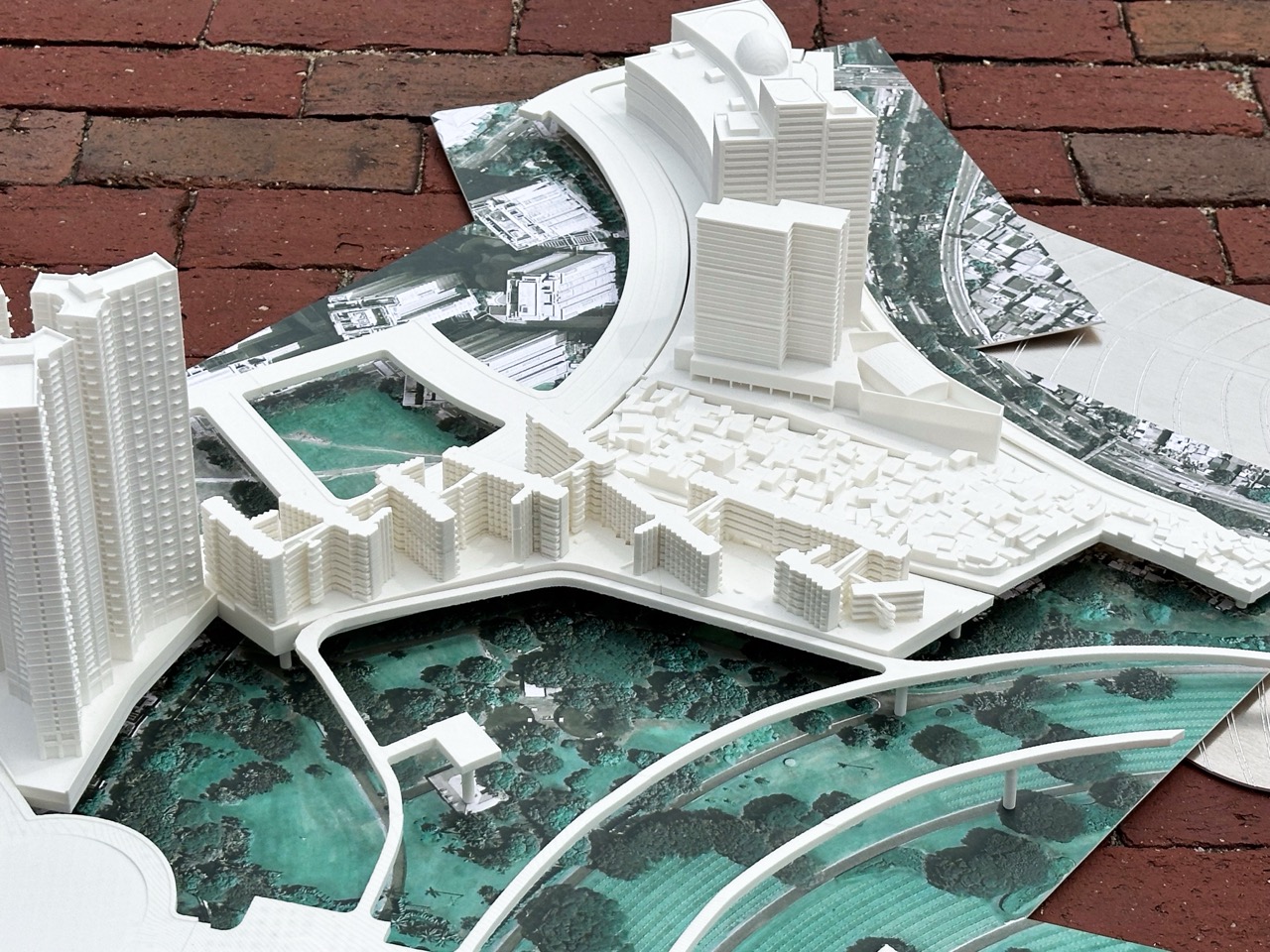
By focusing on the housing needs of marginalized communities, the project positions architecture as a tool of cultural continuity and social resilience. It resists the disintegration of urban life by nurturing a fiercely protected core of communal living, one that stands firm amid the disorienting forces of postmodern urbanity. In doing so, the thesis proposes a locally grounded, forward-looking typology of Filipino housing. It is homegrown, adaptive, and emblematic of an inward-looking architectural ethos that reclaims the right to dwell meaningfully in one’s own city.